

Few things in life are as universally appreciated as a reliable, steaming hot shower. Whether you are running the dishwasher, doing a load of laundry, or unwinding after a long day, hot water is a fundamental pillar of modern home comfort. However, when your current system fails or you are building a new home, you are faced with one of the most common plumbing dilemmas: the Tankless Water Heater vs Traditional Water Heater debate.
Making the right choice for your household involves balancing upfront costs, long-term energy savings, and your family’s daily water usage habits. In this comprehensive guide, we will break down the core differences, advantages, and drawbacks of each system to help you make an informed and confident decision.
Understanding the Core Technologies
To make the best choice for your home, it helps to understand the underlying mechanics of the on-demand vs storage tank water heater configurations. While both serve the same ultimate purpose, they achieve it in vastly different ways.
Traditional Storage Tank Water Heaters
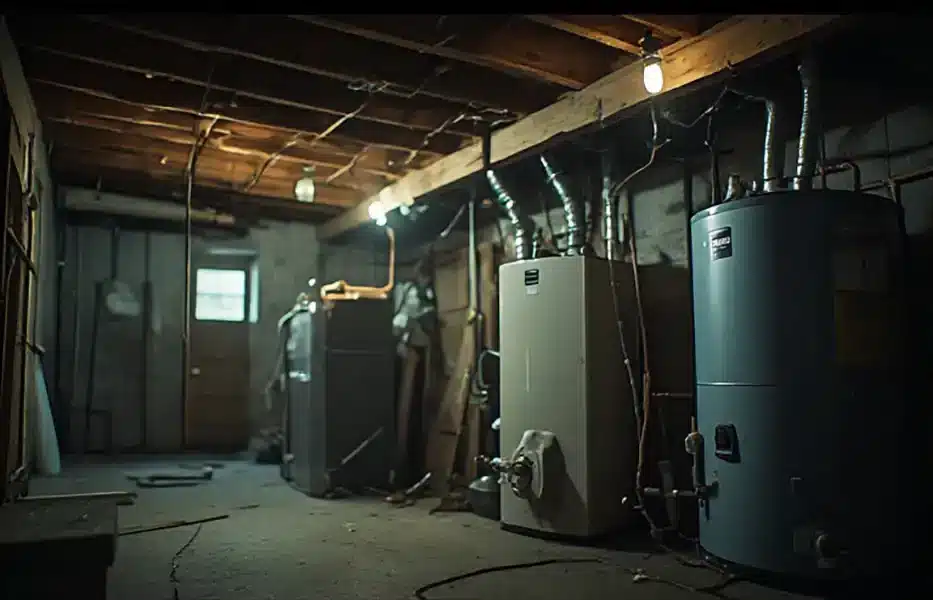
The traditional water heater is the familiar, cylindrical tank often found in garages, basements, or utility closets. These units typically hold anywhere from 30 to 80 gallons of water. The system continuously heats and stores this water so it is ready for use at a moment’s notice. As hot water is drawn from the top of the tank, cold water enters the bottom to be heated.
Tankless Water Heaters
Tankless water heaters, as the name suggests, do not store hot water. Instead, they use powerful heat exchangers to rapidly heat water only when you turn on a hot water tap. Because they only operate when hot water is requested, they are frequently referred to as “on-demand” water heaters.
Performance and Daily Convenience
When it comes to daily performance, the way these two systems deliver hot water drastically alters the user experience.
With a traditional tank, you have a finite reservoir of hot water. If you have a 50-gallon tank and multiple family members take back-to-back showers while the washing machine is running, you will likely run out of hot water. You are then forced to wait—sometimes up to an hour—for the tank to recover and reheat a new batch of water.
Conversely, one of the most celebrated unlimited hot water benefits of a tankless system is that it never runs dry. As long as you have fuel and water, the system will continue to heat it. However, tankless systems are limited by their gallons per minute flow rate. If you attempt to run three showers and a dishwasher simultaneously, the heater might not be able to heat the water fast enough, resulting in lukewarm water. Therefore, accurately calculating your required whole home water heating capacity is vital before purchasing a tankless unit.
Energy Efficiency and Operating Costs
A major factor in the tankless vs. traditional debate is how much energy each unit consumes.
Traditional tanks suffer from what is known as standby heat loss. Because the tank must keep the water hot 24/7, the heating element periodically turns on to warm the water back up, even when you are sleeping or away on vacation. A standby heat loss comparison between the two systems reveals that traditional tanks waste a significant amount of energy simply maintaining temperature.
Tankless water heaters completely eliminate standby heat loss. Because they only consume energy when a tap is turned on, they boast superior energy efficiency ratings for water heaters. According to the Department of Energy, homes that use 41 gallons or less of hot water daily can be 24% to 34% more energy-efficient with tankless water heaters.
Over time, this increased efficiency translates directly into lower annual operating costs for water heaters. While a tankless unit might cost more upfront, the monthly utility savings can help offset that initial investment over the appliance’s lifespan.
Space Requirements and Installation Considerations
The physical footprint of your water heater might be a deciding factor, especially in smaller homes or condos.
Traditional tanks are large, bulky appliances that consume valuable square footage. Tankless units are compact, roughly the size of a small suitcase, and are typically mounted directly to the wall. If you are looking for effective water heater space saving solutions, tankless is the undeniable winner, freeing up closet or garage space for extra storage.
However, the installation process is where the paths heavily diverge. Hot water heater installation costs for a traditional tank are relatively low and straightforward, usually requiring a simple swap of the old unit for a new one.
Upgrading from tank to tankless, on the other hand, is a more complex retrofit. Because tankless units heat water instantly, they require a massive draw of energy for a short period. If you are exploring gas vs electric water heating, you should know that installing a gas tankless heater often requires upgrading the size of your gas line and installing specialized stainless steel venting. Electric tankless heaters may require substantial electrical panel upgrades to accommodate the high amperage. These necessary retrofits make the initial installation of a tankless heater noticeably more expensive than a traditional tank replacement.
Lifespan, Durability, and Maintenance
Replacing a water heater is a major home expense, so longevity is a primary concern for homeowners.
One of the biggest issues traditional tanks face is sediment buildup in water tanks. Over time, minerals from hard water settle at the bottom of the tank. This sediment creates a barrier between the heating element and the water, forcing the system to work harder, accelerating wear and tear, and eventually causing the steel tank to rust and leak. Because of this, traditional tanks typically last between 10 to 15 years.
So, how long do tankless water heaters last? With proper care, a high-quality tankless water heater can easily last 20 years or more. Their easily replaceable parts mean that a single failing component doesn’t necessitate replacing the entire unit.
However, tankless heaters are not maintenance-free. To achieve that 20-year lifespan, you must adhere to strict tankless water heater maintenance requirements. The narrow heat exchangers inside the unit are highly susceptible to scale buildup, especially if your home has hard water. Manufacturers recommend flushing a tankless system with food-grade white vinegar or a specialized descaling solution at least once a year to keep it operating efficiently. Traditional tanks also require maintenance, such as annual flushing and checking the anode rod, but tankless systems are generally more sensitive to neglected maintenance.
The Verdict
With all the facts laid out, is a tankless water heater worth the investment? The answer depends entirely on your budget, your living situation, and your household’s needs.
You should choose a Traditional Tank Water Heater if:
- You are on a strict budget and need to keep upfront replacement costs low.
- You live in an older home where upgrading gas lines or electrical panels would be prohibitively expensive.
- You have a smaller household with minimal simultaneous hot water demands.
- You plan on moving out of your current home within the next few years and won’t be around to see the long-term return on investment.
You should choose a Tankless Water Heater if:
- You have a large family and are tired of running out of hot water during morning showers.
- You want to reduce your household’s carbon footprint and energy consumption.
- You plan to stay in your home for many years and want an appliance with a longer lifespan.
- You need to free up valuable floor space in your garage or utility closet.
- You are willing to invest more upfront for long-term monthly utility savings.
Why Professional Installation and Maintenance Matter
Whether you opt for the tried-and-true reliability of a traditional storage tank or the modern efficiency of a tankless system, your water heater’s performance is only as good as its installation. Water heaters deal with pressurized water, high-voltage electricity, natural gas, and carbon monoxide venting. This is not a DIY project. Improper installation can lead to reduced efficiency, voided warranties, severe water damage, or even dangerous gas leaks.
To ensure your home remains safe and your new unit operates flawlessly, you need a plumbing team you can trust. Choose Spindletop Plumbing for your home’s plumbing and water heating needs. With a deep understanding of local plumbing codes, water quality nuances, and the specific demands of Southeast Texas homes, professional plumbers can properly calculate your required flow rates and ensure your system is sized perfectly for your family.
If you are experiencing issues with your current water heater, or if you are ready to explore your options for an upgrade, expert help is just a click away. Visit https://spindletopplumbing.com/services/water-heater-repair-nederland-tx/ to learn more about comprehensive water heater repair, maintenance, and installation services.
Final Thoughts
The decision between a tankless and a traditional water heater is one of the most important comfort and efficiency choices you can make for your home. By taking the time to evaluate your peak water usage, understanding the installation requirements, and factoring in the long-term energy savings, you can select a system that provides reliable hot water for years to come. Remember to consult with a licensed professional to review your home’s specific infrastructure—ensuring that the morning shower remains the relaxing, steamy oasis it was meant to be.
Spindletop Plumbing
409-748-5186
https://facebook.com/spindletopfixit/
Google Business Listing