

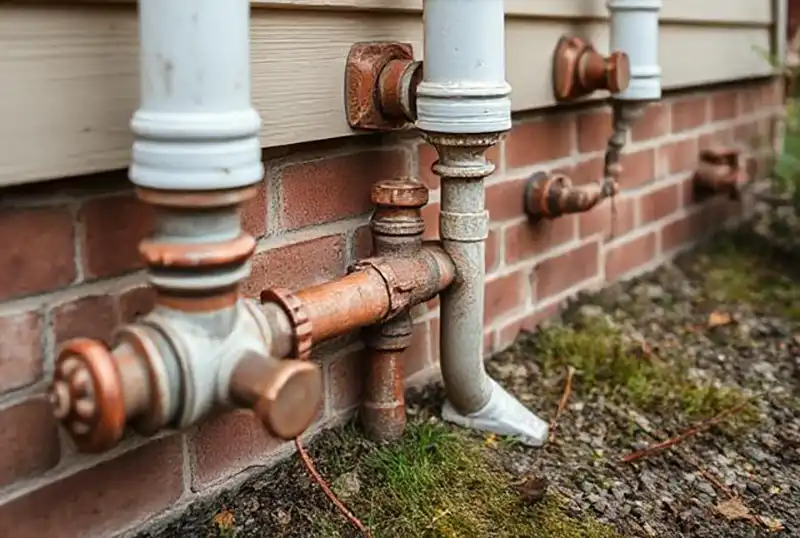
Your home’s plumbing network operates entirely behind the scenes, silently delivering fresh water and whisking away waste day after day. Because these pipes are tucked away behind drywall, under floors, and buried in the yard, it is incredibly easy to adopt an “out of sight, out of mind” mentality. However, ignoring the health of your water lines can lead to catastrophic leaks, severe structural damage, and costly emergency repairs.
Knowing exactly When to Replace Old Plumbing Pipes is a critical aspect of homeownership. Whether you are living in a historic property or a mid-century modern home, understanding the limitations of your current plumbing system will save you time, money, and immense stress. This comprehensive guide will walk you through the lifespans of different plumbing materials, the warning signs of failure, and the modern solutions available to protect your property.
Understanding Your Home’s Plumbing Lifespan
Pipes do not last forever. Even the highest-quality materials have an expiration date, gradually wearing down due to water friction, chemical reactions, and environmental shifts. Knowing what type of pipes are installed in your home is the first step in predicting when they will need to be replaced.
If you are evaluating your home’s infrastructure, comparing the average lifespan of copper vs galvanized pipes is an excellent starting point. Copper pipes are highly regarded for their durability and typically last between 50 and 80 years. They resist corrosion well, making them a premium choice for water supply lines. On the other hand, galvanized steel pipes—commonly installed in homes built before the 1980s—have a much shorter practical lifespan of roughly 20 to 50 years. Over time, the zinc coating on galvanized pipes wears away, leaving the steel exposed to rust and rapid deterioration.
Beyond the interior water supply, your home’s wastewater removal system is equally important. Many older properties rely on heavy-duty iron for their subterranean drainage. The cast iron sewer pipe life expectancy generally spans 75 to 100 years. However, despite their rugged exterior, cast iron pipes are susceptible to internal rusting, channeling, and invasive tree roots that can drastically cut their operational life short.
Recognizing the Red Flags for Aging Water Systems
You rarely need to wait for a pipe to burst to know your plumbing is failing. Your home will usually give you ample warning. Being able to spot the red flags for aging water systems allows you to schedule repairs proactively rather than scrambling during a midnight plumbing emergency.
If you notice any of the following signs of corroded residential water lines, it is time to call a professional for a comprehensive inspection:
- Discolored Water: One of the most obvious indicators of failing plumbing is water that runs yellow, brown, or rust-colored when you first turn on the tap. The primary causes of brown water from faucets are rust and sediment flaking off the inside of decaying galvanized steel or iron pipes.
- Weak Water Flow: If your morning shower has turned into a weak trickle, you might be dealing with low water pressure from pipe scale buildup. As galvanized pipes corrode internally, mineral deposits and rust accumulate, severely choking off the water’s pathway.
- Frequent Leaks: Constantly fixing pinhole leaks in old copper tubing is a clear sign that the material is degrading. These tiny leaks are usually caused by the chemical composition of your local water supply slowly eating away at the copper lining. If you patch one leak, another is almost guaranteed to form nearby shortly after.
- Strange Tastes or Odors: Water that tastes metallic or smells faintly of sewage strongly suggests bacterial growth or metal corrosion within your supply lines.
- Visible Corrosion and Stains: Inspect any exposed pipes in your basement, crawlspace, or utility room. Flaking, dimpling, green oxidation, or water stains on the pipes themselves are undeniable proof of deterioration.
Dangerous Pipe Materials You Must Replace
While some aging pipes are merely an inconvenience, others pose serious hazards to your property and your family’s well-being. Two specific materials require immediate attention if discovered in your home.
Lead Pipes
The health risks of outdated plumbing systems are most severe when lead pipes are involved. Long-term exposure to lead in drinking water can cause severe neurological and developmental issues, particularly in young children. Knowing how to identify lead plumbing in older homes is critical. Lead pipes are typically dull gray, very soft (they can be easily scratched with a coin to reveal a shiny silver metal underneath), and non-magnetic. If you suspect your home has lead supply lines or lead solder connecting your copper pipes, testing your water and planning a complete replacement should be your top priority.
Polybutylene Pipes
From the late 1970s through the mid-1990s, polybutylene (PB) piping was hailed as the “pipe of the future” due to its low cost and easy installation. Unfortunately, it was later discovered that the chlorine present in public water supplies causes the material to become brittle from the inside out. The polybutylene pipe failure warning signs are notoriously tricky to spot because the pipes often look perfectly fine on the outside while actively degrading internally. Sudden, catastrophic ruptures are common. If your home has gray plastic PB pipes, replacing them before they burst is not just a recommendation—it is a necessity.
Costs and ROI of Upgrading
The thought of tearing out old plumbing is daunting, largely because homeowners worry about the expense. However, understanding the costs involved can help you make an informed, budget-friendly decision.
When you decide to replace old pipes, one of the biggest choices you will make is the material. Comparing the PEX vs copper pipe replacement cost is a standard part of the planning process. PEX (cross-linked polyethylene) has become the modern industry standard for residential repiping. It is highly flexible, requires fewer fittings, and resists scale buildup and chlorine. Because it is easier and faster to install, choosing PEX significantly lowers labor costs. Copper, while incredibly long-lasting and naturally bacteria-resistant, is much more expensive and labor-intensive to install.
The estimated cost of home repiping varies depending on the size of your house, the number of plumbing fixtures, and the ease of access to the pipes. On average, a complete whole-house repipe can range anywhere from $4,000 to $15,000. While this is a significant upfront investment, it is vital to weigh it against the financial devastation of a burst pipe. Proper water damage prevention from aging pipes ultimately saves you tens of thousands of dollars in ruined flooring, drywall repairs, and mold remediation down the road.
Value of Repiping
Upgrading your home’s plumbing infrastructure provides a massive return on investment. The benefits of whole house repiping extend far beyond simply stopping leaks. You will immediately notice crystal clear water, vastly improved and consistent water pressure, and the total elimination of strange metallic tastes. Furthermore, a brand-new plumbing system is a major selling point that significantly boosts your home’s resale value and drastically lowers your home insurance premiums.
Modern plumbing advancements also mean that replacing your pipes is far less destructive than it used to be. For interior repiping, plumbers can often snake flexible PEX tubing behind walls with minimal drywall removal.
Advancements apply to the exterior of your home as well. In the past, replacing a collapsed cast iron sewer line meant bringing in heavy machinery to dig deep trenches, effectively destroying your landscaping, driveway, and sidewalks. Today, advanced trenchless sewer line replacement options allow plumbers to repair or replace underground pipes with minimal digging. Techniques like pipe bursting (pulling a new pipe through the old shattered one) or Cured-In-Place Pipe (CIPP) lining (creating a new pipe within the existing one using epoxy) save your yard and cut down project completion times significantly.
Why Professional Help Matters
Tackling a plumbing replacement is not a weekend DIY project. It requires an intimate knowledge of local building codes, structural engineering, and precise water pressure calibration. Improperly installed plumbing can lead to worse leaks and more severe water damage than the aging pipes you started with.
When you recognize that it is time to upgrade, you need a team of highly trained, licensed professionals who will treat your home with the utmost respect. That is why Southeast Texas homeowners consistently Choose Spindletop Plumbing for their home renovation needs. With a proven track record of excellence, transparent pricing, and a commitment to minimally invasive installation techniques, they take the stress out of home repiping.
Do not wait until a rusted pipe bursts in the middle of the night to take action. Protect your home, safeguard your family’s health, and restore your water pressure to peak performance. If you are experiencing discolored water, frequent leaks, or simply want the peace of mind that comes with a modernized plumbing system, learn more about your options and schedule a professional consultation by visiting https://spindletopplumbing.com/services/repiping-nederland-tx/ today.
By proactively recognizing the signs of plumbing failure and investing in high-quality modern materials, you are securing the safety, comfort, and value of your home for decades to come.
Spindletop Plumbing
409-748-5186
https://facebook.com/spindletopfixit/
Google Business Listing