

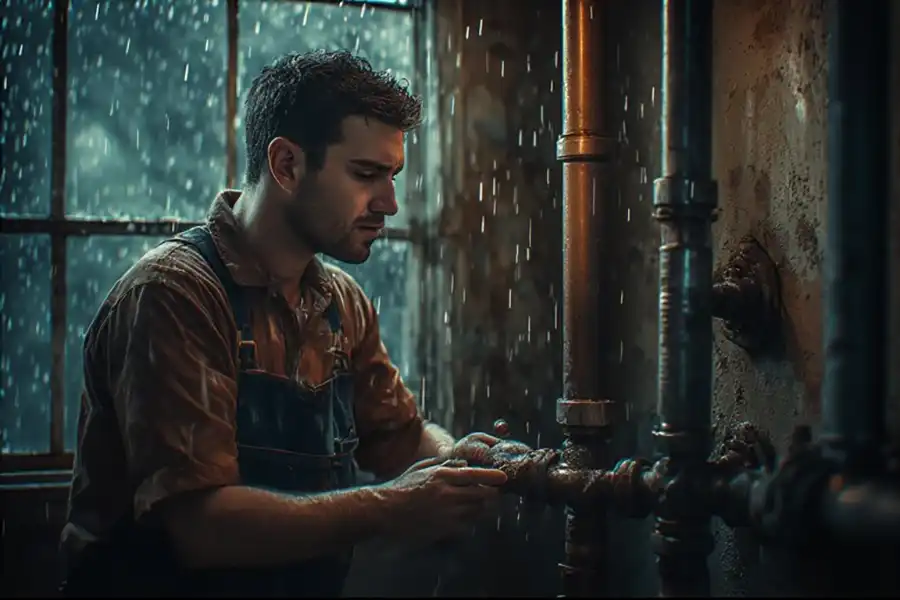
Living in Southeast Texas means dealing with a highly unpredictable climate. From intense hurricane seasons and sudden torrential downpours to blistering, extended summer droughts, the local environment regularly tests the limits of our home infrastructure. Recently, local experts have noted a concerning trend: Extreme Weather Is Causing More Septic Failures In Beaumont TX Area.
If your home relies on a private wastewater system, understanding how the environment interacts with your plumbing is vital. Let’s explore how these environmental shifts impact your system, the warning signs of failure, and the actionable steps you can take to protect your property.
How the Southeast Texas Climate Strains Your System
To understand why septic system failures are on the rise, we have to look at the unique geographical and meteorological makeup of the region. The extreme weather effects we experience here put private wastewater systems under immense stress in two main ways: flooding and drought.
Heavy Rains and Rising Water Tables
During heavy rainfall or tropical storms, the ground absorbs massive amounts of water. There is a direct link between groundwater table levels and septic performance in Gulf Coast communities. When the water table rises, the soil surrounding your drain field becomes completely waterlogged. Because wastewater relies on gravity and dry soil to filter safely into the ground, a saturated yard leaves the wastewater with nowhere to go, causing it to pool on the surface or back up into your house.
The Hidden Dangers of Drought
Conversely, extreme heat poses its own set of problems. The impact of clay soil on Beaumont septic systems during drought conditions can be severe. Southeast Texas is known for its expansive clay soils, which shrink, harden, and crack when completely dry. This shifting soil can put immense pressure on underground septic pipes and tanks, leading to fractures, leaks, and misalignments.
Spotting the Red Flags
Catching a problem early is the best way to avoid a messy, expensive disaster. Homeowners must be vigilant in monitoring their property, especially after severe weather events.
Here are the warning signs of a failing septic tank after local flooding:
- Sluggish Drains: Sinks, showers, and toilets that drain slower than usual are often the first sign of a backup.
- Foul Odors: A persistent sewage smell around your yard or inside your home near drains.
- Gurgling Pipes: Strange noises coming from your plumbing when you run water or flush the toilet.
Additionally, you should watch for the common signs of septic drain field failure in Jefferson County, which include spongy, waterlogged patches of grass in your yard or areas of vegetation that look unusually green and lush compared to the rest of the lawn.
What to Do When Disaster Strikes
Even with the best preparation, severe storms can overwhelm your property. Knowing exactly what to do if your septic system backups during a storm can save your home from severe water damage and health hazards.
First, immediately reduce your household water usage to an absolute minimum. Turn off washing machines, avoid running the dishwasher, and limit toilet flushes. If raw sewage begins backing up into your bathtubs or sinks, it’s time to call for emergency septic pumping services in Beaumont TX. However, be aware that pumping a tank while the surrounding yard is actively flooded can sometimes be dangerous, as the empty tank can act like a buoy and literally pop out of the ground due to hydrostatic pressure.
Once the storm passes, you must follow the proper steps to restore a saturated leach field after a hurricane:
- Stop adding water: Keep household water usage low until the yard is visibly dry.
- Divert runoff: Ensure gutters and downspouts are pointing far away from the drain field.
- Keep off the grass: Do not drive vehicles or operate heavy machinery over the saturated field, as this will compact the soil and crush underground pipes.
- Be patient: Allow the soil time to naturally dry out before resuming normal water usage.
Proactive Steps for Future Protection
The key to avoiding costly repairs is preparation. Learning how to prevent septic tank flooding in Southeast Texas involves a mix of smart landscaping and routine care.
Mind the Saturation Limits
Every yard has a breaking point. It is important to be mindful of the soil saturation limits for septic systems in SETX. You can protect your soil’s absorption capacity by installing French drains or swales to direct natural rainwater away from your septic components.
Upgrade Your Plumbing Defense
One of the smartest investments a homeowner can make is utilizing the benefits of installing a backflow preventer on septic lines. This relatively inexpensive device contains a one-way valve that allows wastewater to flow out of your home but automatically snaps shut if floodwaters or sewage attempt to reverse course.
Stay on Top of Maintenance
Routine Beaumont septic system maintenance after heavy rain is critical. This includes having your tank’s filters cleaned and ensuring that all access lids are tightly sealed to prevent surface water from pouring directly into the tank.
Navigating Regulations, Replacements, and Repairs
If your system is beyond repair, or if you are building a new home, you will need to choose a setup designed to handle our local climate. Many homeowners find themselves debating between aerobic vs anaerobic septic systems for flood-prone areas. While traditional anaerobic systems rely on gravity and underground bacteria, aerobic systems use an aerator to pump oxygen into the tank, treating the water faster and often spraying the treated effluent over the yard. Because they do not rely on a traditional underground drain field, aerobic systems are heavily preferred—and often required—in areas with high clay content and high water tables.
Any time you alter, repair, or replace your system, you must adhere strictly to Beaumont health department septic permit regulations. These rules are in place to prevent raw sewage from contaminating the local groundwater supply. Working with a licensed professional ensures your system is up to code.
Following severe weather, it is highly recommended to schedule professional septic system inspections for Beaumont homeowners after disasters. An inspector can identify hidden damage in the baffles, pipes, or electrical components of aerobic systems. While many homeowners stress over the potential cost of septic system repairs in Beaumont Texas, addressing a small crack or a clogged filter early on is significantly cheaper than replacing an entirely failed leach field.
If you are looking for trusted, licensed professionals to evaluate your system, handle emergency pumping, or perform routine maintenance, it’s important to find a local company familiar with our unique climate. You can check out https://spindletopplumbing.com/service-areas/ to verify if top-rated emergency and maintenance services are available in your specific Southeast Texas neighborhood.
Extreme weather is a reality of living in the Beaumont area, but it doesn’t have to mean inevitable ruin for your plumbing. By recognizing the early warning signs, taking proactive steps to protect your drain field, and relying on professional maintenance, you can keep your septic system running smoothly through every hurricane season and summer drought to come.
Spindletop Plumbing
409-748-5186
https://facebook.com/spindletopfixit/
Google Business Listing